Moisturizer Basics: Picking and Using One Without Overthinking It
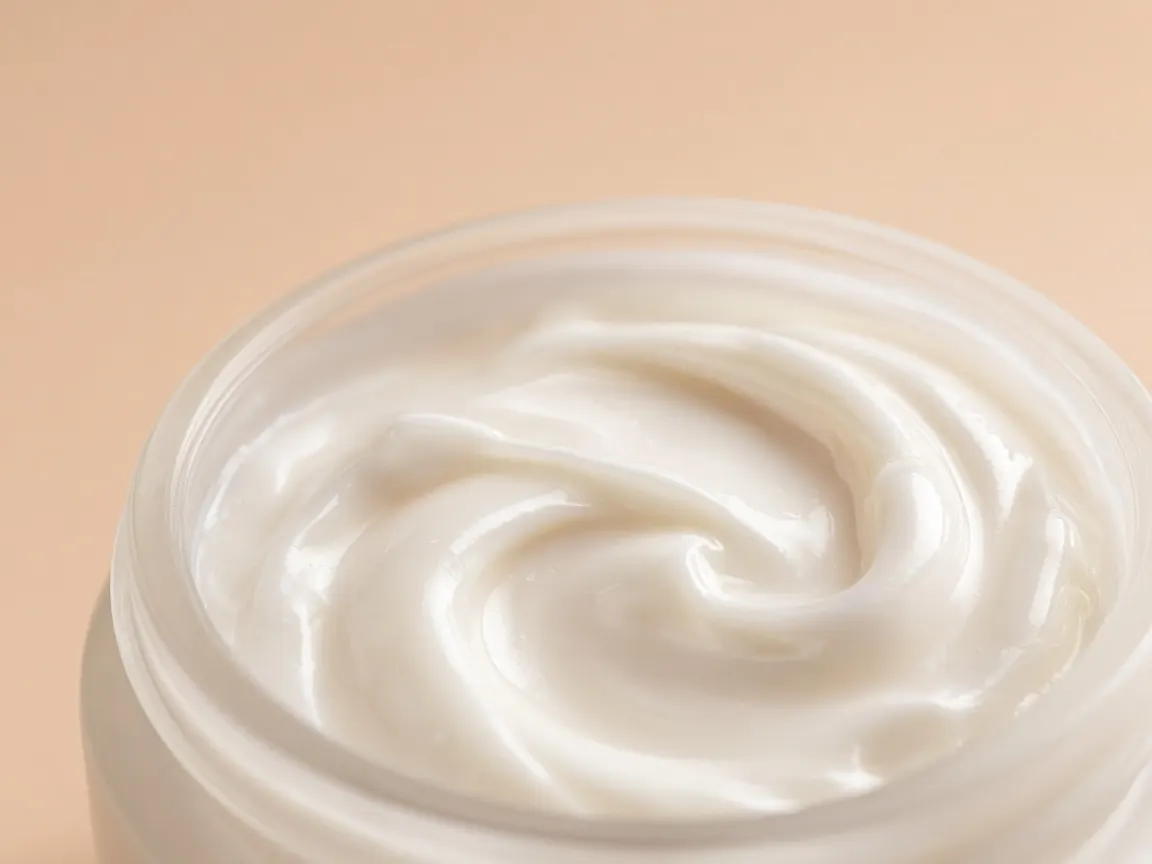
Walk down any skin-care aisle and the moisturizer shelf alone can feel overwhelming. The good news is that the job of a moisturizer is fairly simple: help the skin hold on to water and keep its outer layer comfortable.
Match the texture to your skin
If your skin tends to get shiny by midday, a lightweight gel or lotion often feels better. If it feels tight after washing, a richer cream may suit you. Combination skin can use a lighter formula all over and a little extra on dry patches. Seasons matter too: many people switch to something heavier in winter.
Apply to slightly damp skin
Putting moisturizer on right after cleansing, while the skin is still a little damp, helps lock in some of that water. Pat your face with a towel instead of rubbing it fully dry.
Less fragrance, fewer surprises
Scented products can be pleasant, but fragrance is a common reason products feel irritating. If your skin is easily upset, fragrance-free options are a sensible starting point.
Give it time
Skin does not change overnight. Try a new moisturizer for a few weeks before judging it, and introduce only one new product at a time so you can tell what is working. If something stings, burns or causes a rash, stop using it.
Do not forget the neck and hands
The skin on your neck and the backs of your hands sees just as much weather as your face. Whatever is left on your fingers can go there.
Day and night
In the morning, a moisturizer can sit under sunscreen, or you can use a moisturizer that already includes SPF. At night, some people like something a bit richer, since there is no makeup or sunscreen to layer on top.
Keep it simple
You do not need several creams for different zones. One reliable moisturizer used consistently will do more for most people than a cabinet full of products used now and then.